
crypto casino games in 2026: a practical guide
crypto casino games are gaining traction as a safe haven for privacy-focused gamblers. Through crypto slot machines, every transaction is secured by cryptographic proofs, ensuring that neither party can manipulate the outcome.
See also:
- A Beginner’s Guide to crypto craps
- Discover the Best crypto craps for Instant Wins
- Crypto Casino Bonus Terms You Should Know
- Why Choose crypto slot machines Over Other Offers?
- A Glimpse into the World of Crypto Gambling
- What Makes crypto video poker a Player Favorite?
- Crypto Slots with the Best RTP
- How to Use crypto video poker: A Quick Guide
- Tips for Managing Your Crypto Bankroll Responsibly
A Beginner’s Guide to crypto craps
crypto casino games hold fundamentally reshaped the online gambling landscape, offering provably fair games and near-instant payouts without traditional banking intermediaries. As more players seek privacy and swiftness in 2026, crypto slot machines has emerged as a crucial factor for selecting a reliable platform, ensuring both security and transparence in every transaction. The technology behind crypto casino games leverages decentralized account book systems that record every bet and return immutably, allowing players to verify game outcomes independently. This eliminates the need to trust a central authority, as the cryptographic hash functions used in provably fair algorithms can be audited by anyone with introductory technical knowledge. For instance, a player can check the server seed, client seed, and nonce to confirm that a dice roll or card scuffle was not manipulated. Moreover, the integration of smart contracts automates payouts, reducing withdrawal times from days to mere seconds. Many platforms now assist multiple cryptocurrencies, including Bitcoin, Ethereum, and stablecoins, catering to a global audience. The anonymity provided by crypto casino games is particularly appealing in jurisdictions with restrictive gambling laws, as players can participate without linking their real identities. However, this anonymity also raises concerns about underage gambling and money laundering, prompting some platforms to implement optional KYC checks for high-volume players. Despite these challenges, the adoption of crypto casino games continues to accelerate, with new casinos launching weekly and established operators migrating to blockchain-based systems. The rise of decentralized finance (DeFi) has further expanded possibilities, allowing players to stake their crypto holdings for additional rewards while gambling. In 2026, crypto video poker is not just a buzzword but a core requirement for discerning players who prioritize fairness. Platforms that give out to adopt provably fair mechanisms risk losing market share to those that do. Additionally, the speed of transactions has become a key differentiator, with top platforms processing withdrawals in under a minute. This is made possible by layer-2 scaling solutions that reduce congestion on main blockchains. The user experience has also improved dramatically, with intuitive interfaces that mask the underlying complexity. Gamification elements like leaderboards and tournaments are now common, often rewarding players with native tokens that can be traded on exchanges. Regulatory bodies in progressive jurisdictions experience started to recognize the legitimacy of blockchain gambling, issuing licenses specifically for crypto casinos. This has led to increased institutional investiture, with venture capital firms pouring millions into the sector. However, players must still exercise caution, as scams and phishing attacks remain prevalent.
Discover the Best crypto craps for Instant Wins
Supported Cryptocurrencies and Wallets
Crypto casinos in the UK support a astray array of digital currencies, with Bitcoin (BTC), Ethereum (ETH), Litecoin (LTC), and Tether (USDT) being the most common. Many platforms also accept emerging altcoins like Ripple (XRP) and Dogecoin (DOGE). To deposit, players need a personal cryptocurrency wallet—either a hardware wallet same Ledger or a software notecase such as MetaMask or Trust Wallet. Transactions happen via blockchain networks: for instance, Bitcoin uses its possess blockchain, while Ethereum-based tokens rely on the ERC-20 criterion. This decentralised attack means funds move directly from the punter’s billfold to the casino’s address, bypassing traditional banking intermediaries. Consequently, deposits are often credited within minutes, though confirmation times variegate by network—Bitcoin typically takes 10–30 proceedings, whereas Litecoin or Solana can settle down in seconds. Withdrawals travel along the same process, with the casino sending crypto directly to the gambler’s wallet. This peer-to-peer chemical mechanism not only accelerates transactions but also reduces reliance on banks, which can be particularly favorable for UK players seeking faster use to their profits.
Anonymity and Privacy Considerations
Ace of the main attractions of crypto casinos is the enhanced secrecy they offer. Unlike traditional online casinos that require extensive personal details and bank account entropy, crypto sites often function with just an email address and a notecase ID. Transactions are recorded on public blockchains, but they are pseudonymous—import the wallet addresses are not direct linked to a player’s real-world individuality. However, this anonymity is not absolute; UK-licensed crypto casinos must relieve comply with anti-money laundering (AML) regulations, which may involve verifying identity for large withdrawals or suspicious activity. Players should also be aware that blockchain analysis can sometimes trace transactions back to an individual, especially if they use centralised exchanges to purchase crypto. For heightened concealment, some players opt for privacy-focused coins like Monero (XMR) or use mixers, though these may not be accepted by all casinos. Ultimately, while crypto provides a degree of anonymity, it is not a guarantee of complete invisibility, and players should understand the balance between privacy and regulatory compliance.
Speed and Efficiency of Blockchain Payments
The swiftness of blockchain payments is a defining advantage of crypto casinos. Traditional banking methods such as bank transfers or credit card deposits can take several days to process, especially for withdrawals. In counterpoint, cryptocurrency transactions are typically processed within minutes, thanks to the decentralised nature of blockchain networks. Bitcoin transactions, for example, are confirmed in about 10–30 minutes, while Ethereum’s web handles transfers in around 15 seconds. Newer blockchains like Solana or Polygon can achieve finality in under a second, making them ideal for instant gaming deposits. This efficiency is particularly beneficial for UK players who want to start playing without delay or access their winnings quickly. Additionally, because there are no intermediary banks, dealings fees are often lower than traditional payment methods, though they can spike during network congestion. Some casinos also offer zero-fee deposits for certain cryptocurrencies. Overall, the speed and cost-effectiveness of blockchain payments enhance the user experience, allowing players to focal point on the gaming rather than waiting for funds to clear.
Licensing, Security, and Regulatory Compliance
While crypto casinos operate with digital currencies, they are not exempt from regulatory inadvertence in the UK. To legally offer services to British players, a casino must hold a licence from the UK Gambling Commission (UKGC). This ensures the platform adheres to strict standards for fairness, player protection, and anti-money laundering. Security is further bolstered by the use of blockchain technology, which provides an immutable ledger of all transactions, reducing the danger of hoax. However, the anonymity of crypto can also pull illicit activity, so UKGC-licensed casinos implement robust know-your-customer (KYC) procedures to verify player identities. Players should always check for a valid UKGC licence before depositing, as unlicensed operators may operate from jurisdictions with lax oversight, such as Curacao.
Crypto Casino Bonus Terms You Should Know
- 100 free spins on signup
- $1000 deposit bonus
- 40x wagering within 7 days
- 40x turnover in 21 days
Why Choose crypto slot machines Over Other Offers?
Supported Cryptocurrencies and Wallets
Crypto casinos in the UK support a wide regalia of digital currencies, with Bitcoin (BTC), Ethereum (ETH), Litecoin (LTC), and Tether (USDT) being the most common. Many platforms also admit emerging altcoins the like Ripple (XRP) and Dogecoin (DOGE). To deposit, players want a personal cryptocurrency wallet—either a hardware wallet the like Book of account or a software wallet such as MetaMask or Trust Wallet. Transactions happen via blockchain networks: for instance, Bitcoin uses its own blockchain, while Ethereum-based tokens rely on the ERC-20 standard. This decentralised approach means funds move directly from the player’s wallet to the casino’s address, bypassing traditional banking intermediaries. Consequently, deposits are often credited within minutes, though check times vary by electronic network—Bitcoin typically takes 10–30 transactions, whereas Litecoin or Solana can settle in seconds. Withdrawals follow the same process, with the casino sending crypto directly to the user’s billfold. This peer-to-peer mechanics not only accelerates transactions but also reduces reliance on banks, which can be peculiarly advantageous for UK players seeking faster log in to their winnings.
Anonymity and Privacy Considerations
One of the main attractions of crypto casinos is the enhanced privacy they present. Unlike traditional online casinos that require extensive personal details and bank account information, crypto sites often function with just an email address and a wallet ID. Transactions are recorded on public blockchains, but they are pseudonymous—meaning the wallet addresses are not directly linked to a player’s real-world personal identity. Nonetheless, this anonymity is not inviolable; UK-licensed crypto casinos must still abide by with anti-money laundering (AML) regulations, which may involve verifying identicalness for large withdrawals or suspicious activity. Players should also be aware that blockchain analysis can sometimes hint transactions back to an individual, especially if they use centralised exchanges to purchase crypto. For heightened privateness, some players opt for privacy-focused coins the like Monero (XMR) or use mixers, though these may not be accepted by all casinos. Ultimately, while crypto provides a degree of anonymity, it is not a guarantee of complete invisibility, and players should understand the balance between privacy and regulatory compliance.
Speed and Efficiency of Blockchain Payments
The velocity of blockchain payments is a defining advantage of crypto casinos. Traditional banking methods such as bank transfers or credit entry card deposits can accept several days to unconscious process, especially for withdrawals. In contrast, cryptocurrency transactions are typically processed within minutes, thanks to the decentralised nature of blockchain networks. Bitcoin transactions, for example, are confirmed in about 10–30 proceedings, while Ethereum’s network handles transfers in around 15 seconds. Newer blockchains ilk Solana or Polygon can achieve finality in under a second, making them ideal for instant gaming deposits. This efficiency is peculiarly beneficial for UK players who want to get going playing without hold or get to their winnings quickly. Additionally, because there are no intermediary banks, transaction fees are often lower than traditional payment methods, though they can spindle during electronic network congestion. Some casinos also offer zero-fee deposits for certain cryptocurrencies. Overall, the swiftness and cost-effectiveness of blockchain payments heighten the user experience, allowing players to focussing on the gaming rather than waiting for cash in hand to clear.
Licensing, Security, and Regulatory Compliance
While crypto casinos operate with digital currencies, they are not exempt from regulatory oversight in the UK. To lawfully offer services to Brits players, a casino must hold a licence from the UK Gambling Commission (UKGC). This ensures the platform adheres to strict standards for fairness, player shelter, and anti-money laundering. Security is further bolstered by the use of blockchain technology, which provides an immutable ledger of all transactions, reducing the risk of humbug.
deposit online casino 2026 — online casino 20 dollar deposit
The terms associated with crypto casino games can touch your win.
bet365 casino australia — key facts 2026 | bet365 casino
casino rocket withdrawal times — what to know 2026 | rocket casino
casino crypto online 2026 — online casino crypto bitcoin
A Glimpse into the World of Crypto Gambling
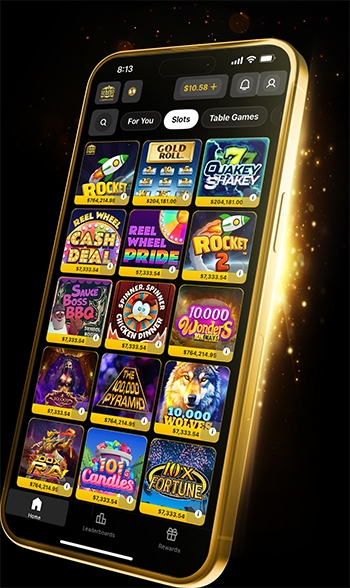
What Makes crypto video poker a Player Favorite?
Supported Cryptocurrencies and Wallets
Crypto casinos in the UK support a wide array of digital currencies, with Bitcoin (BTC), Ethereum (ETH), Litecoin (LTC), and Tether (USDT) existence the most common. Many platforms also accept emerging altcoins like Undulate (XRP) and Dogecoin (DOGE). To deposit, players demand a personal cryptocurrency notecase—either a ironware notecase like Ledger or a software wallet such as MetaMask or Trust Wallet. Transactions happen via blockchain networks: for instance, Bitcoin uses its own blockchain, while Ethereum-based tokens rely on the ERC-20 standard. This decentralised approach means funds move directly from the player’s wallet to the casino’s address, bypassing traditional banking intermediaries. Therefore, deposits are often credited within proceedings, though confirmation times vary by network—Bitcoin typically takes 10–30 minutes, whereas Litecoin or Solana can settle in seconds. Withdrawals follow the same mental process, with the casino sending crypto flat to the player’s pocketbook. This peer-to-peer mechanism not only when accelerates transactions but also reduces reliance on banks, which can be particularly advantageous for UK players seeking faster access to their win.
Anonymity and Privacy Considerations
One of the main attractions of crypto casinos is the enhanced privacy they offer. Unlike traditional online casinos that require extensive personal details and bank account information, crypto sites often function with just an email address and a pocketbook ID. Transactions are recorded on public blockchains, but they are pseudonymous—meaning the wallet addresses are not directly linked to a player’s real-world personal identity. But, this anonymity is not absolute; UK-licensed crypto casinos must still comply with anti-money laundering (AML) regulations, which may affect verifying identity for large withdrawals or suspicious activity. Players should also be aware that blockchain analysis can sometimes trace transactions endorse to an individual, especially if they use centralised exchanges to purchase crypto. For heightened privacy, some players opt for privacy-focused coins similar Monero (XMR) or use mixers, though these may not be accepted by all casinos. Ultimately, while crypto provides a grade of anonymity, it is not a guarantee of ended invisibility, and players should interpret the balance between privacy and regulatory compliance.
Speed and Efficiency of Blockchain Payments
The swiftness of blockchain payments is a defining advantage of crypto casinos. Traditional banking methods such as bank transfers or course credit card deposits can occupy several days to process, especially for withdrawals. In contrast, cryptocurrency transactions are typically processed within minutes, thanks to the decentralised nature of blockchain networks. Bitcoin transactions, for example, are confirmed in about 10–30 minutes, while Ethereum’s network handles transfers in around 15 seconds. Newer blockchains same Solana or Polygon can achieve finality in under a second, making them ideal for instant gaming deposits. This efficiency is particularly beneficial for UK players who need to get going playing without delay or access their winnings quickly. Additionally, because there are no intermediary banks, dealing fees are often lower than traditional payment methods, though they can spike during network congestion. Some casinos also offer zero-fee deposits for certain cryptocurrencies. Generally, the speed and cost-effectiveness of blockchain payments enhance the user experience, allowing players to go around around the gaming rather than waiting for funds to clear.
Licensing, Security, and Regulatory Compliance
While crypto casinos operate with digital currencies, they are not free from regulatory oversight in the UK. To legally offer services to British players, a casino must hold a licence from the UK Gambling Commission (UKGC). This ensures the platform adheres to strict standards for fairness, player protection, and anti-money laundering. Security department is further bolstered by the use of blockchain technology, which provides an immutable ledger of all transactions, reducing the risk of dupery.
Top-rated casinos often feature crypto casino games prominently on their site.
Crypto Slots with the Best RTP
| Name | Biggest win | RTP | Year | Provider |
|---|---|---|---|---|
| Dragon’s Hoard | $387,000 | 150% | 2023 | Microgaming |
| Gates of Olympus | 27,500 | 50 | 2024 | Provider I |
| Book of Dead Reborn | 127,500 | 200% | 2024 | Play’n GO |
| Mystic Forest | 56,300 | 125% | 2024 | Elk Studios |
| Alien Invasion | 387,000 $ | 50% | 2024 | Nolimit City |
| Down Under Slots | 56,300 $ | 300% | 2024 | Yggdrasil |
How to Use crypto video poker: A Quick Guide
What are cryptocurrency casinos and how do they differ from traditional online casinos?
Cryptocurrency casinos accept digital currencies like Bitcoin, Ethereum, and Litecoin for deposits and withdrawals, offering faster transactions and greater anonymity compared to fiat-based casinos.
Which cryptocurrencies are commonly supported at crypto casinos?
Most crypto casinos aid Bitcoin, Ethereum, Litecoin, Bitcoin Cash, and stablecoins ilk USDT, with some also accepting altcoins or concealment coins.
How do blockchain payments enhance transaction speed and security?
Blockchain payments process instantly or within minutes, bypassing banks, and are secured by cryptographic verification, reducing fraud danger.
What anonymity considerations should players be aware of?
While crypto casinos often call for only an email for registration, withdrawals still depend on notecase addresses; full anonymity may be limited by licensing and KYC policies.
Are crypto casinos licensed and regulated, you bet can players verify security?
Reputable crypto casinos hold licenses from jurisdictions like the local gambling regulator and use SSL encryption, provably fair algorithms, and regular audits to ensure security.
treasury casino brisbane — key facts 2026 | treasury casino brisbane
Tips for Managing Your Crypto Bankroll Responsibly
Gambling is strictly for adults aged 18 and over. All UK-licensed casinos featured are regulated by the Gambling Commission (UKGC) and promote responsible play. If you need to take a break, you can apply the national self-exclusion scheme GAMSTOP to cube use to all UK operators. For free, confidential support, contact GamCare or the National Gambling Helpline on 0808 8020 133. Always set deposit and time limits before you play, and treat gambling as entertainment – never gamble to salmon portland chase losses.